
SERVICE
Services
From solar power schemes and adoption methods to combining solar with battery storage, equipment planning and maintenance after operation begins.
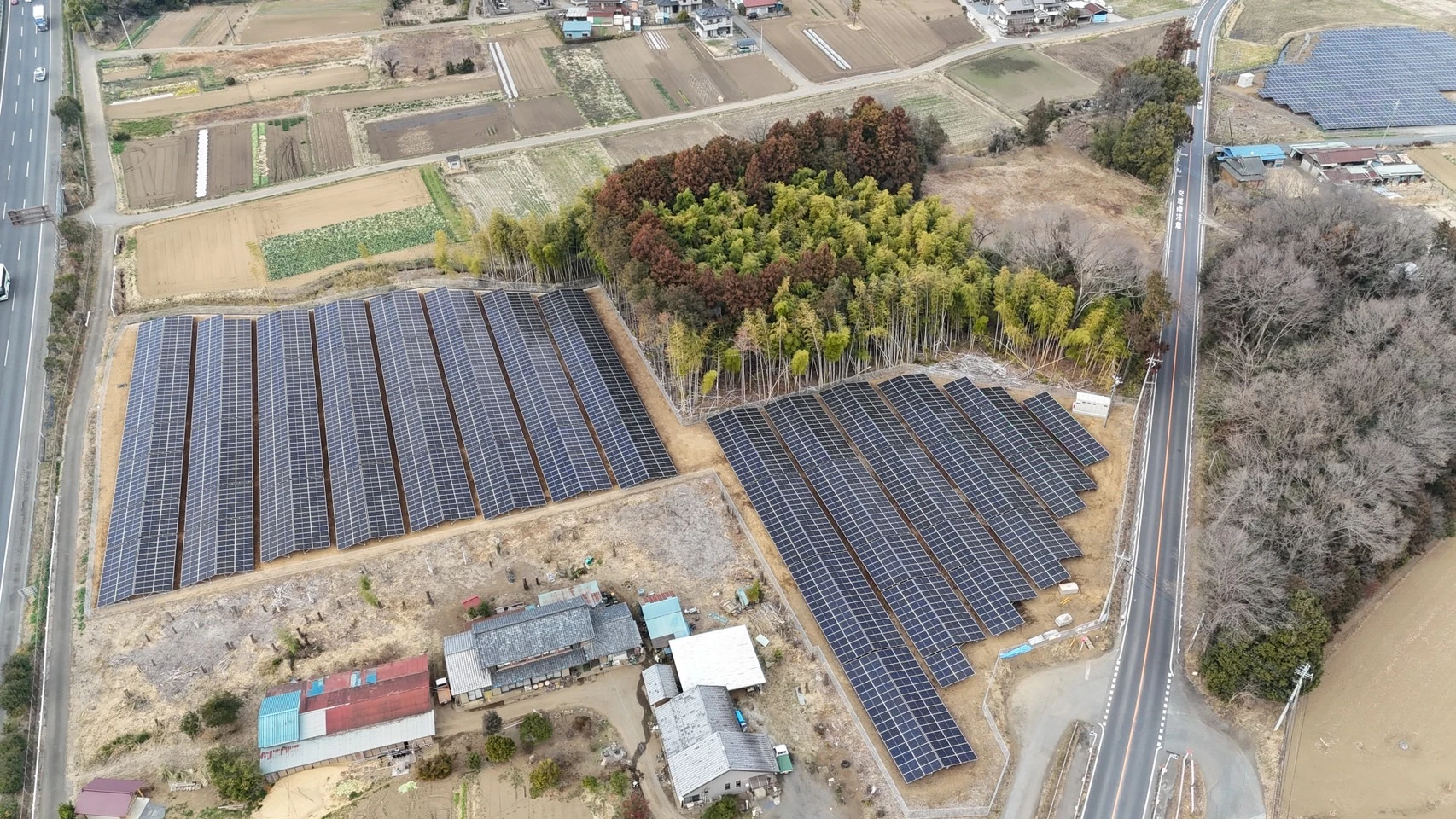
FIT (feed-in tariff) scheme for solar power
FIT is a scheme under which electricity generated from renewable energy is bought at a government-set price for a fixed period. We support the design, construction and management of solar power equipment to suit site conditions.
- Solar generationEquipment installed on roofs or on-site land generates electricity.
- Sell according to conditionsAll of the electricity generated, or only the surplus, is sold.
- Purchased on set termsThe price and period that apply depend on the category at the time of certification.
Eligibility, purchase prices, periods and other terms vary by the year of certification and the facility category. For the latest information, please see Agency for Natural Resources and Energy: "FIT and FIP Schemes".
PPA (power purchase agreement) model
PPA is a method in which a provider installs solar power equipment on a company's land or roof, and the company buys and uses the electricity generated. The company can adopt solar power while keeping the initial cost of the equipment down.
Generated powerSelf-consumption by the host company
(left to right)Power purchase agreementPays for electricity
(right to left)
Generated electricity is self-consumed on site
Construction contractCommissions design and construction
(left to right)Construction costsPays construction costs
(left to right)
Coordinate on PPA adoption
(left to right)Installs and maintains equipmentOngoing support for stable operation
(right to left)
PPA providerElectricity retailers, etc.Host companyFactories, business sites, etc.ContractorDAIDO ECO SYSTEM
Read the diagram description
- PPA provider
- Provides the equipment and sells electricity
- Power purchase agreement
- The company buys the electricity generated
- Construction contract
- Commissions design and construction from the contractor
- Host company
- Generated electricity is used on site
- Contractor
- Installs and maintains the equipment
DAIDO ECO SYSTEM supports you from design and construction to maintenance after installation.
- Keep the initial investment down
- Under contract arrangements in which the PPA provider bears the equipment costs, the burden at the time of installation can be kept down.
- Self-consumption of generated electricity
- Solar power covers part of the electricity used at factories and business sites.
- Support after installation
- DAIDO ECO SYSTEM provides continuous support through site surveys, design, construction and maintenance.
FIP (feed-in premium) scheme
FIP is a scheme in which electricity generated from solar and other sources is sold on the market or through individual contracts, and a premium (an extra amount from the government) is received on top of that income. Unlike FIT, under which electricity is bought at a fixed price, the selling price changes with market movements.
Renewable energy generatorSolar power, etc.
SELLING ELECTRICITYWholesale electricity market / bilateral tradingSells electricity at market prices
PREMIUMPremiumCalculated from factors such as the difference between the base price and the reference price
Electricity sales income + premium = Income under the FIP scheme
- FIT
- Because the power company buys the electricity at a fixed procurement price, the selling price per unit stays the same regardless of market prices.
- FIP
- The power producer sells electricity on the market or through other channels, and receives the sales revenue plus a premium.
- The timing of sales also creates value
- This creates an incentive to consider generation forecasting and shifting supply with battery storage, so that power can be supplied at times of high demand.
For solar power based on FIP, it is important to review the business as a whole, including the scale of the equipment, the amount of power generated, the combination with battery storage and the way electricity is sold. DAIDO ECO SYSTEM supports the design, construction and management of equipment suited to site conditions.
The conditions for applying the schemes, the calculation of the premium and the eligible categories vary depending on the certification year, the equipment category and other factors. For the latest information, please see the Agency for Natural Resources and Energy's "FIT and FIP Schemes".
Grid-scale battery storage
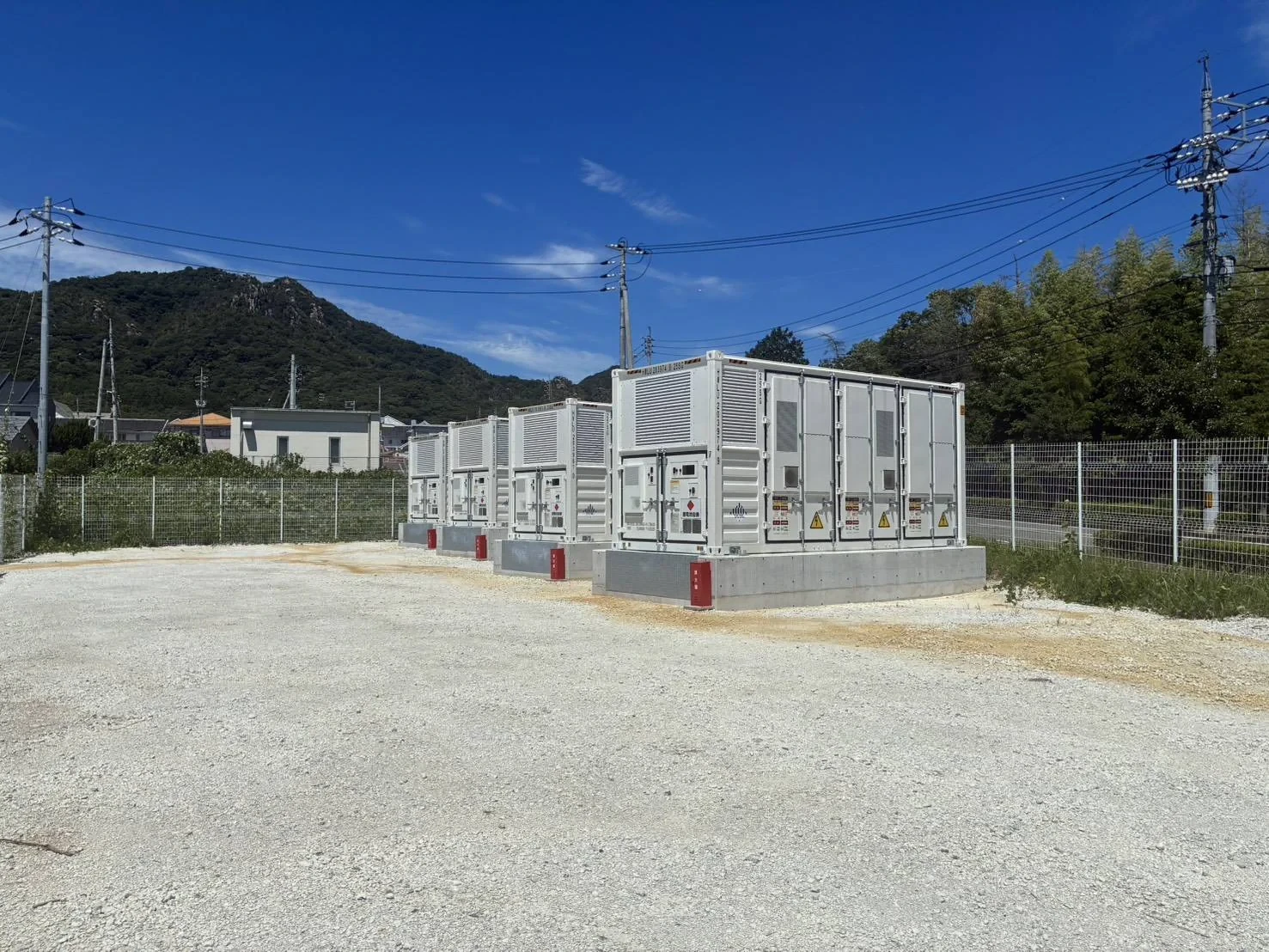
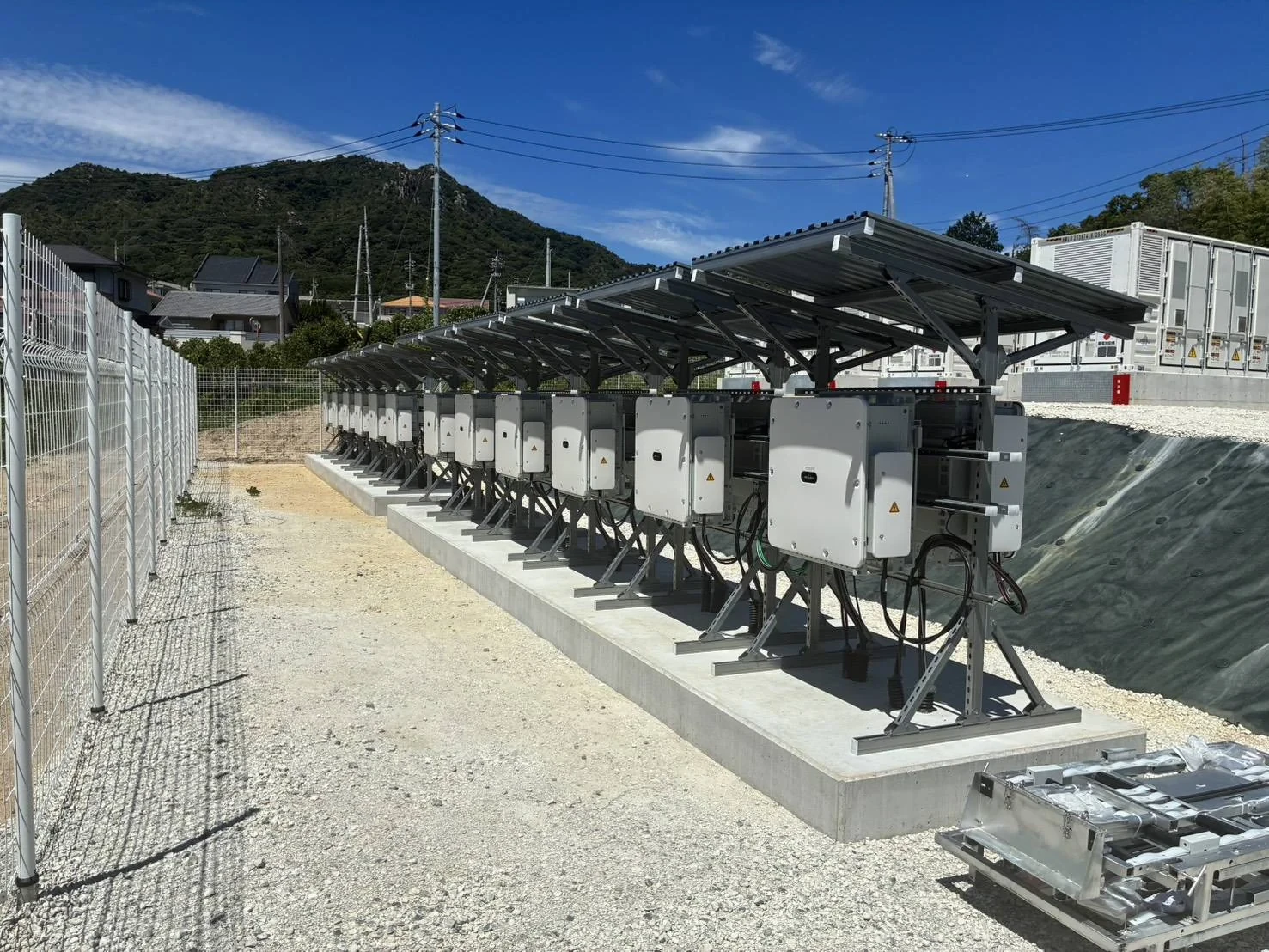
We support large-scale battery storage facilities connected to the power grid, from design through construction and management. These facilities make electricity available when it is needed.
Shown here is grid-scale battery storage, which connects to the power grid. Its use and connection conditions differ from those of the type combined with solar power, described next.
Solar power combined with battery storage
In this setup, electricity generated from sunlight is used on site, and any surplus is stored in batteries for later use. We consider the combination of equipment for sites such as those where electricity use differs between daytime and the evening onward.
- Generate with sunlightPower generated during the day
- Store the surplusCharged into storage batteries
- Use it when neededShift when the power is used
This is one example of a self-consumption setup. How selling electricity, grid connection and discharge from battery storage are handled varies depending on contract and certification conditions.
Solar power | Extra-high, high and low voltage
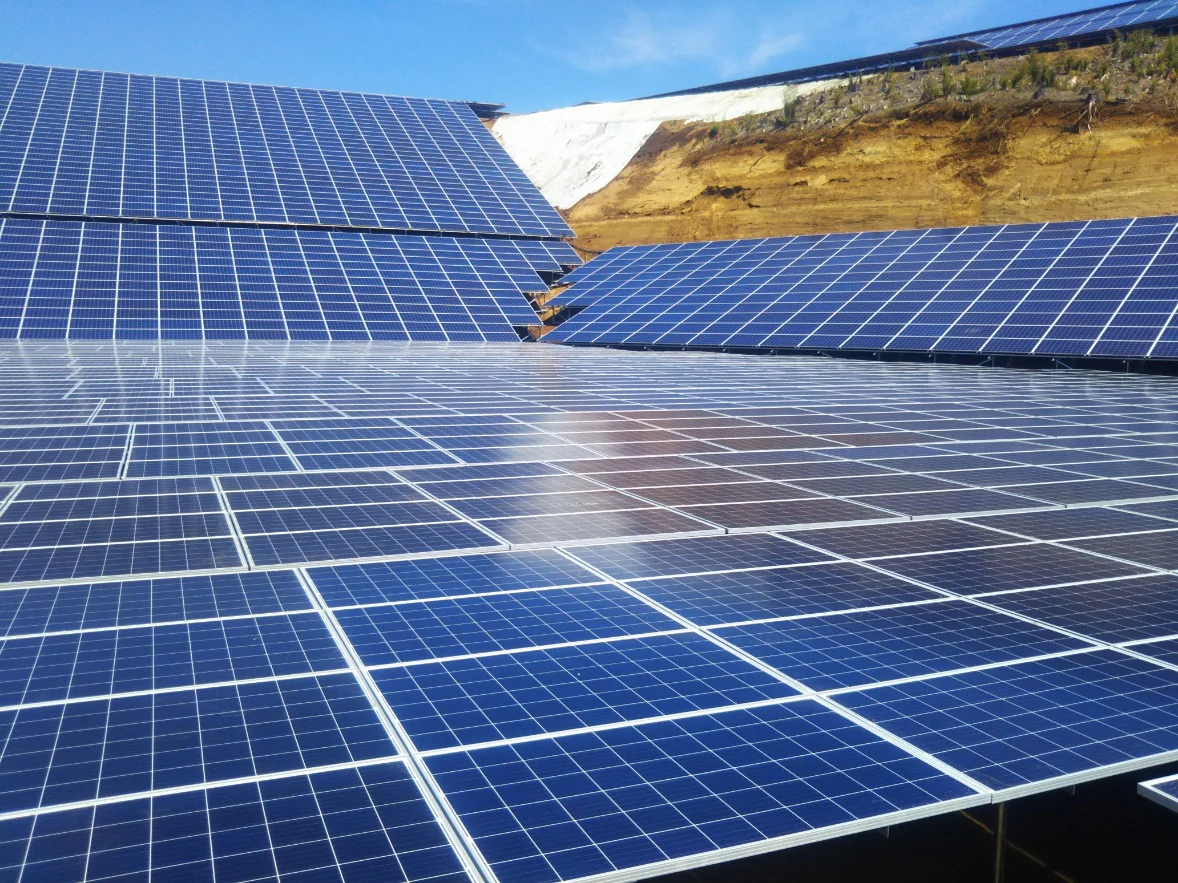
When planning solar power, we check not only the site and buildings but also the conditions for connecting to the power grid. Extra-high, high and low voltage are the categories of connection voltage.
- Extra-high voltage
- Large-scale facilities require planning that includes power receiving and transforming equipment and the connection to the grid.
- High voltage
- We check the equipment and connection method to suit the conditions of each factory, business site or other facility.
- Low voltage
- We plan the layout and use of the equipment to suit the conditions of your roof and site.
The actual category and connection conditions need to be confirmed for each facility with the transmission and distribution operator or other relevant parties.
Our approach during construction
Safety comes first. We carry out our works with consideration for our customers and for the people living near each site. Whenever we find something to improve on site, we address it then and there.
- Before works begin, we visit the neighbors to greet them and let them know about the works.
- During the works, we hand out business cards and notice letters to help prevent problems.
- When large vehicles are coming in, we visit neighbors beforehand to let them know, to prevent accidents.
- For night work, we notify those in the surrounding area in advance and obtain their consent.
- We do a simple cleanup of the surrounding area, including the roads.
- We also take other care during construction so as not to cause any discomfort to neighbors.
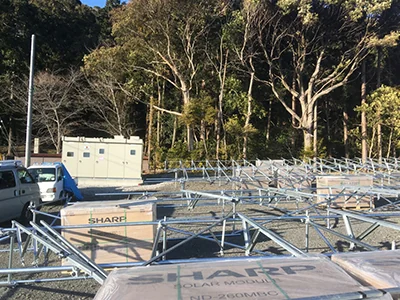
Sale of related materials
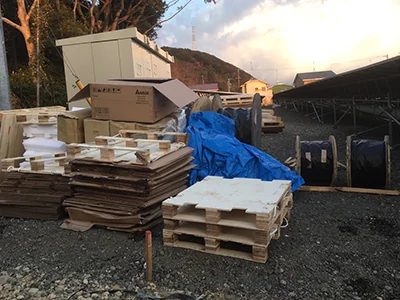
We supply equipment and materials for solar power and battery storage systems. Contact us about procurement for new installations, repairs or replacements found during maintenance, and preventive measures.
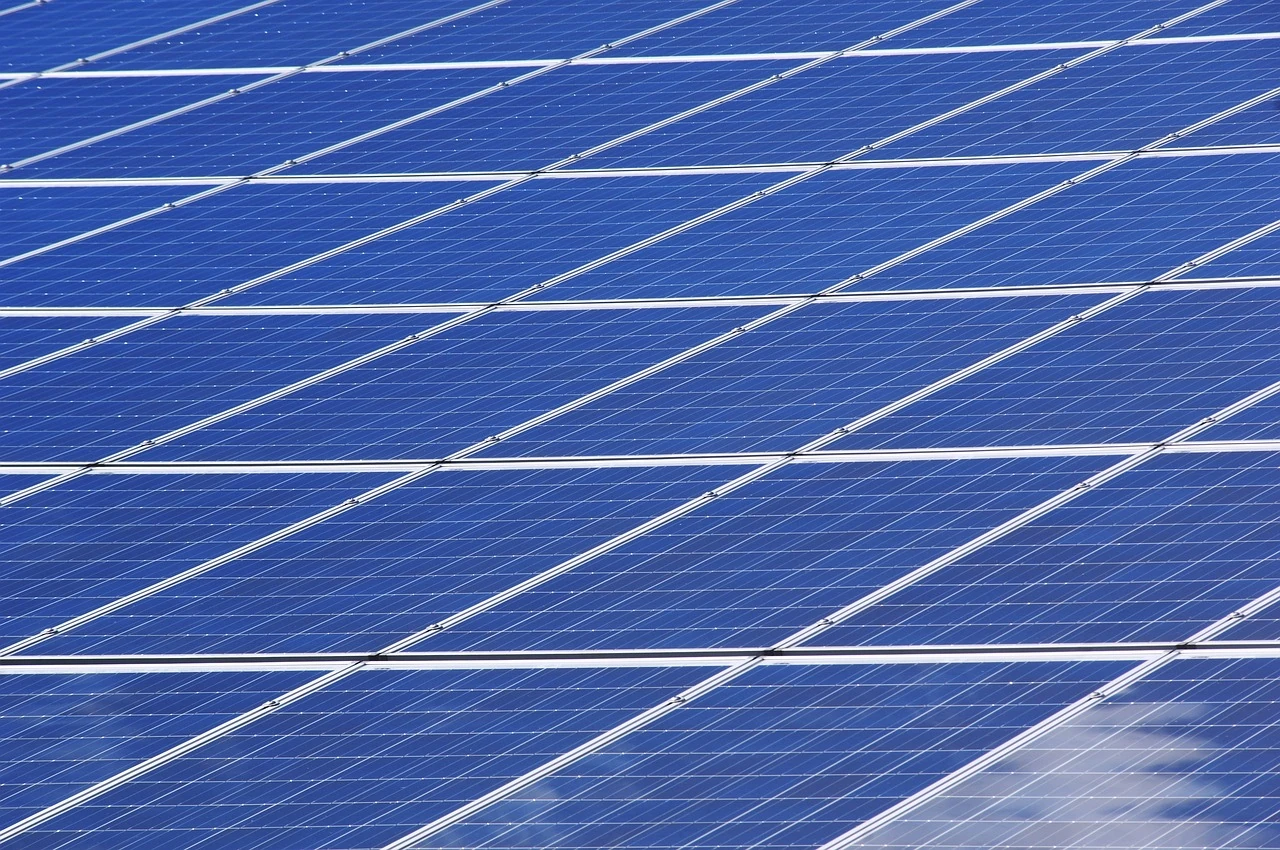
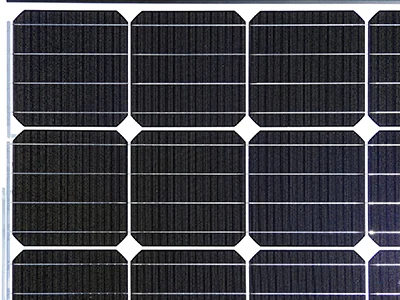
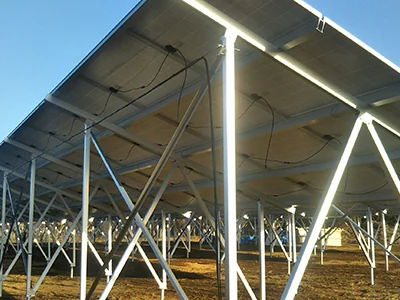
Operation & Maintenance (O&M)
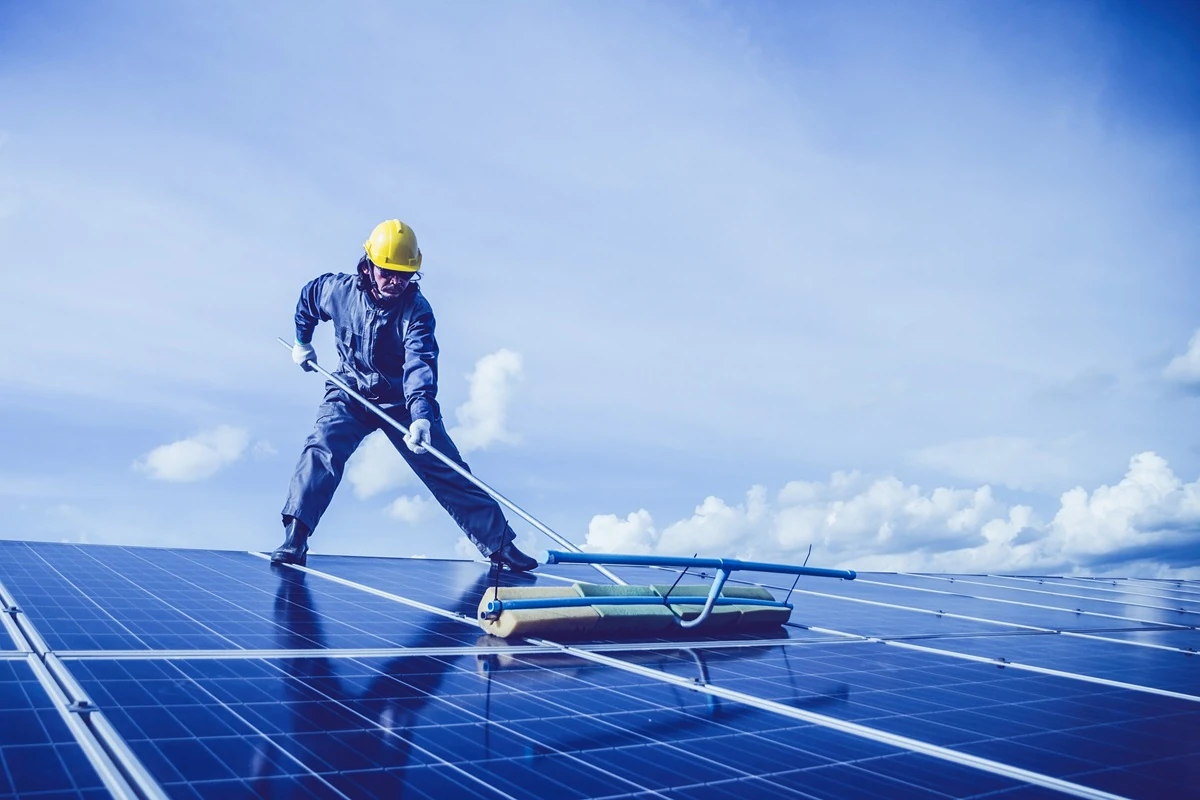
Operation, inspection and maintenance so that solar power equipment can be used safely and reliably over time. Our work does not end at installation: we check the condition of the system after it starts operating.
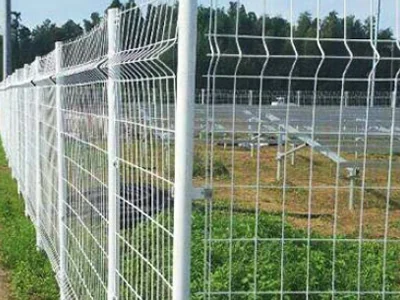
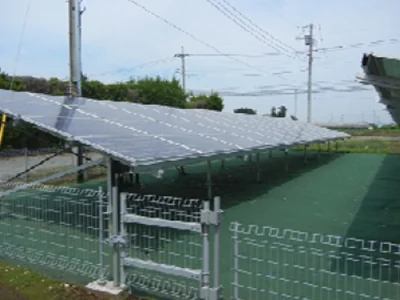
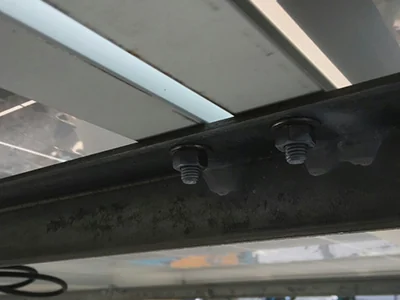
To keep generation stable, we regularly inspect solar panels, power conditioners, the ground, mounting structures, fences and more. By finding panel damage and equipment faults early, we prevent drops in power output.
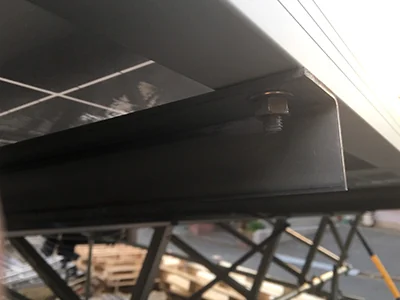
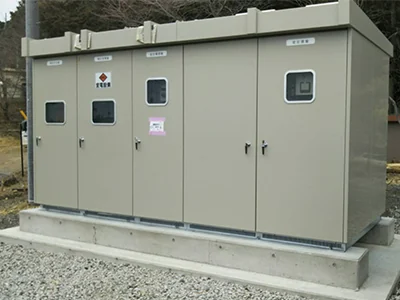
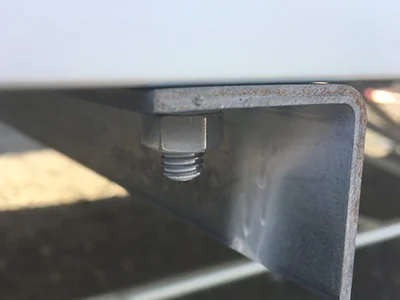
We confirm the content and frequency of inspections according to the scale and configuration of the equipment and its installation environment.
Electrical works
We handle electrical works of all kinds, starting with the installation of solar power systems and EV charging equipment. We carry out the construction that lets you use your equipment with peace of mind.
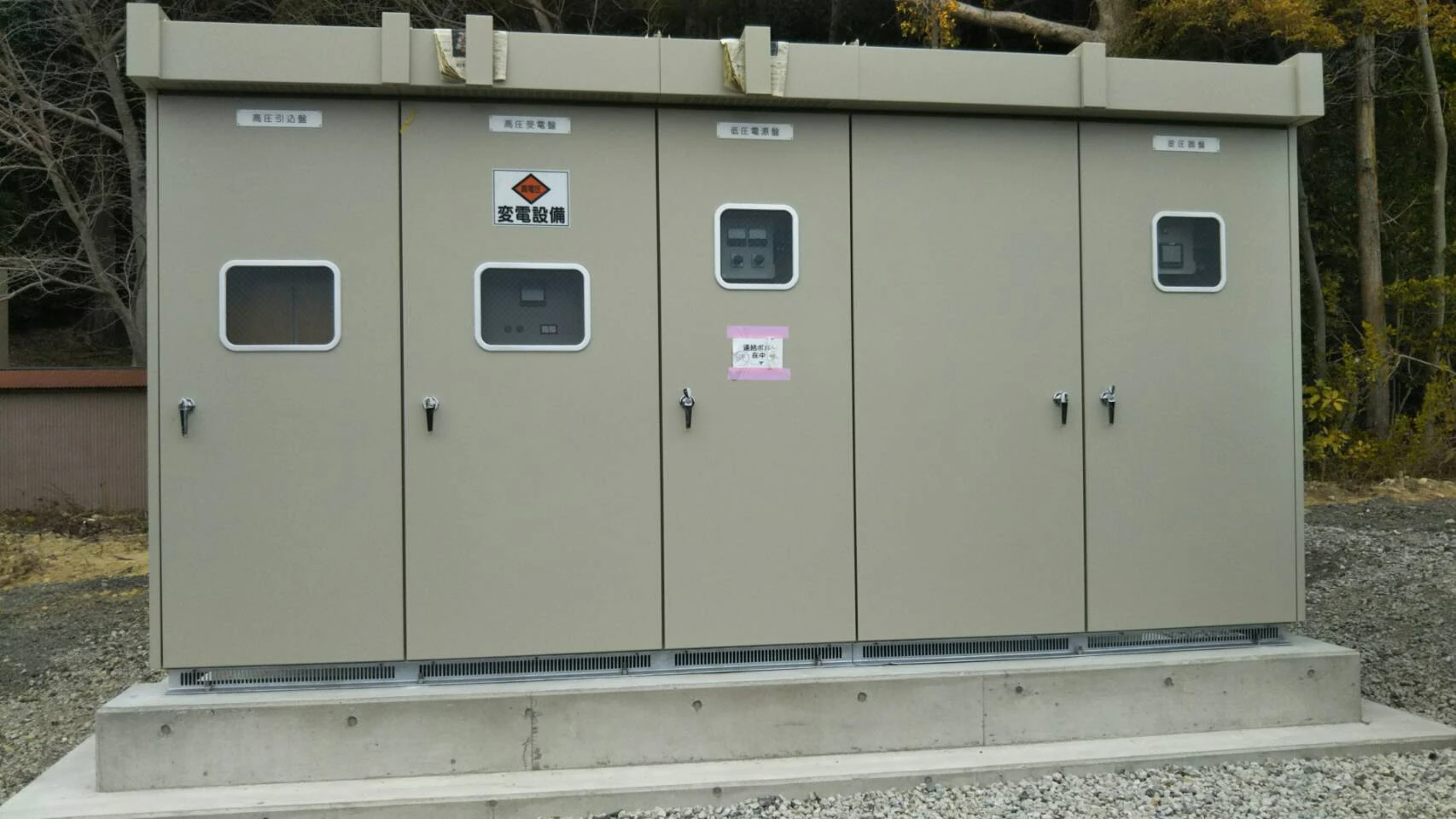
Civil engineering works
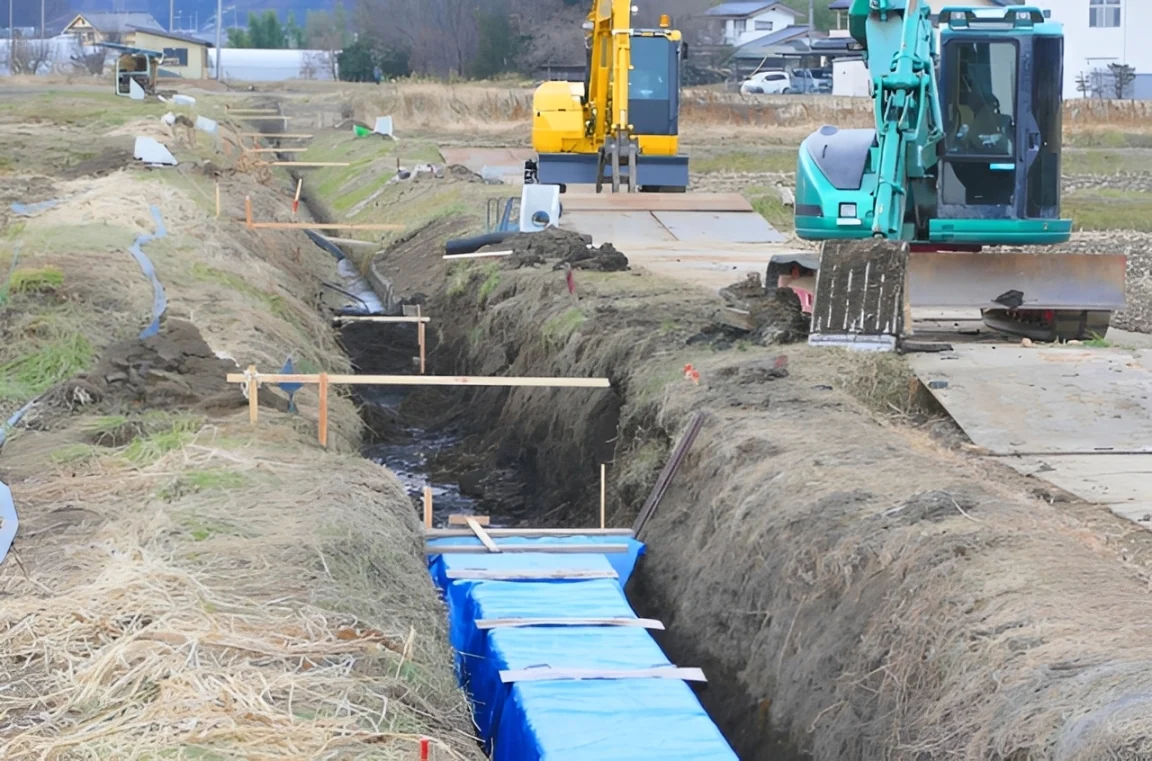
River works
In disaster-prone Japan, protecting the safety of local communities is an important mission for us.
Keeping that responsibility firmly in mind, we carry out reliable construction, carefully checking every detail of each process.
To date, we have built up a track record on many sites, including embankment works, revetment works, bridge substructure works and disaster recovery works.
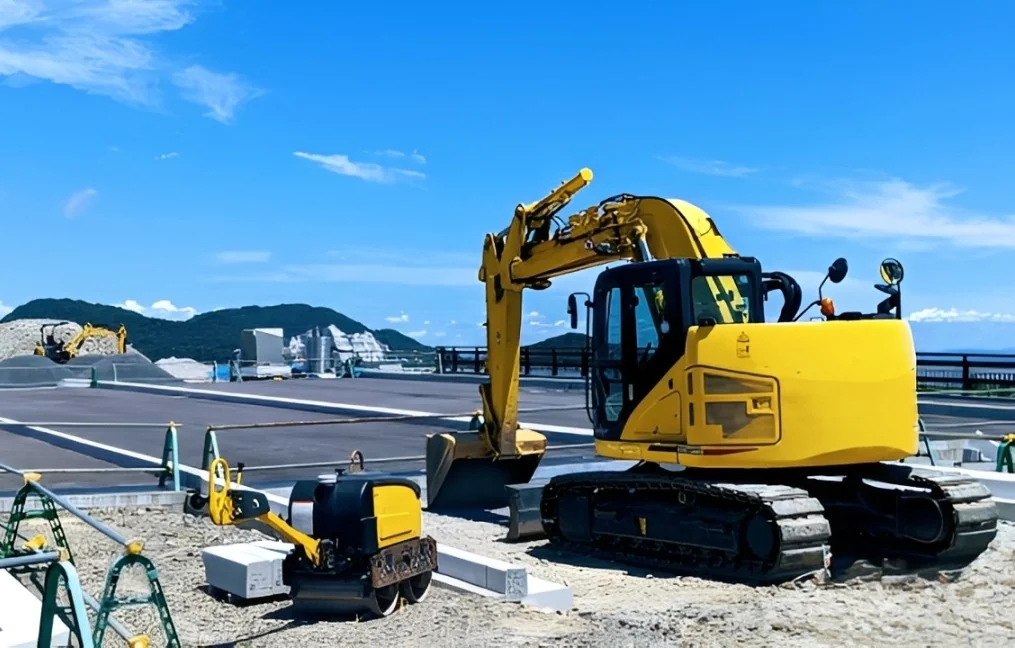
Road works
Beyond precise workmanship and a clean finish, we carry out our work carefully, paying close attention to the safety of passersby and to the effects of noise, vibration and other disturbances on people living nearby.
We have an extensive track record across a wide range of fields, including new construction, renovation and paving works.
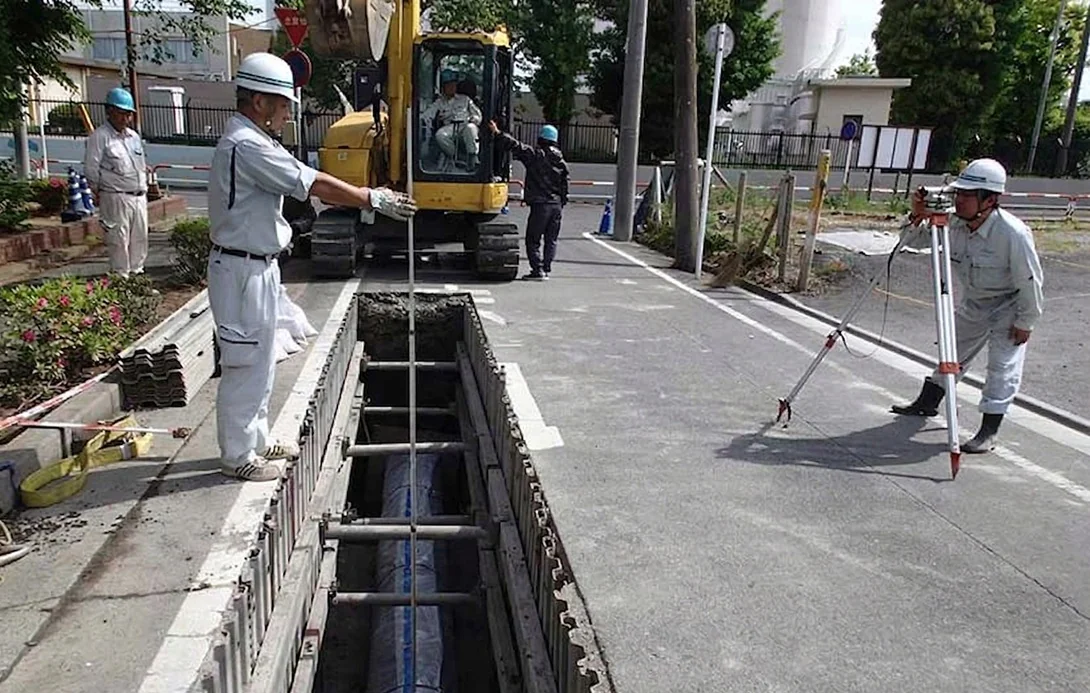
Sewerage works
To keep sewage flowing without obstruction, we ensure precise gradients and carry out the works under meticulous construction management and strict quality control.
As with road works, much of this work takes place in urban areas, so we strive for careful and safe construction while showing consideration for local residents.
CONTACT
Contact
Please feel free to contact us to discuss any works or construction.
If you are comparing companies and can't decide, make us the "last" one you talk to.
Hours 9:00–17:00 (Mon–Fri, excluding public holidays)
Contact us by formConsultations and inquiries accepted 24 hours a day